
01
SMTP infrastructure
Mail transport roles, listeners, submission paths, routing, TLS and controlled administrative boundaries.
Controlled research, testing and systems engineering
Email Infrastructure Lab is an independently developed technical environment for researching SMTP services, DNS authentication, secure application submission, controlled message workflows, monitoring, backup and recovery.
The environment is operated as a controlled Lab. Production deployment, unrestricted SMTP access and unsolicited bulk messaging are not authorized.
Platform purpose
The Lab brings together identity, authorization, DNS, transport, feedback, monitoring and recovery so each technical decision can be understood as part of a controlled system.
Mail transport roles, listeners, submission paths, routing, TLS and controlled administrative boundaries.
MX, SPF, DKIM, DMARC, hostname alignment and reverse-DNS relationships documented together.
Environment, brand, sender, recipient, suppression, content and route are checked before transport.
Logical Messages remain distinct from transport Attempts, retries and asynchronous queue work.
Host health, service state, certificates, exposure, backup integrity and protected conditions are reviewed.
Restoration begins in a non-sending state until security, credentials, queues and policy controls are reconciled.
Core technical capabilities
Transport, identity and resilience are developed together so every operational change remains explainable and reviewable.

Controlled submission, routing, TLS and administrative boundaries built around verified sender and recipient policy.
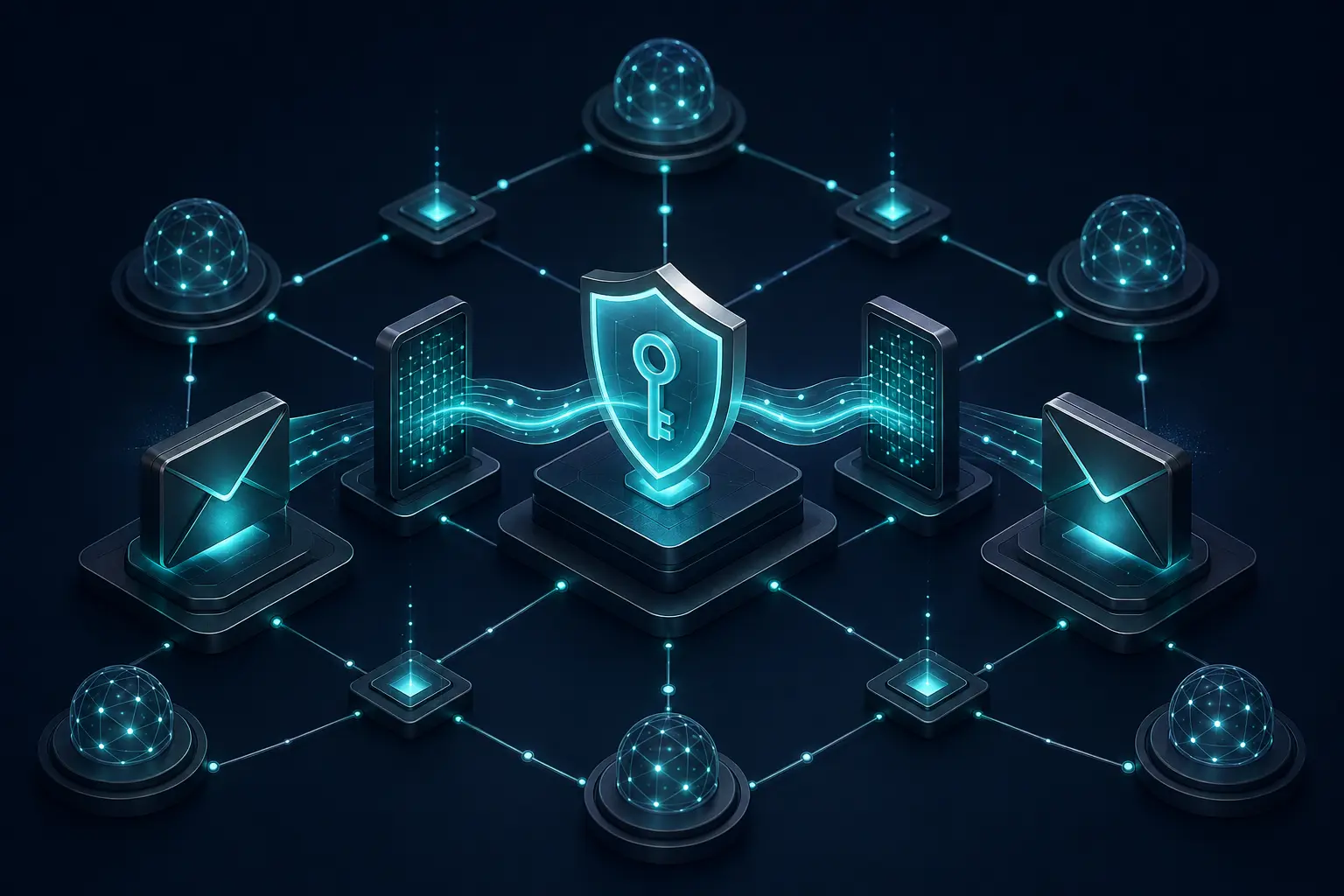
Domain identity, authentication records and policy alignment evaluated as connected controls rather than isolated settings.
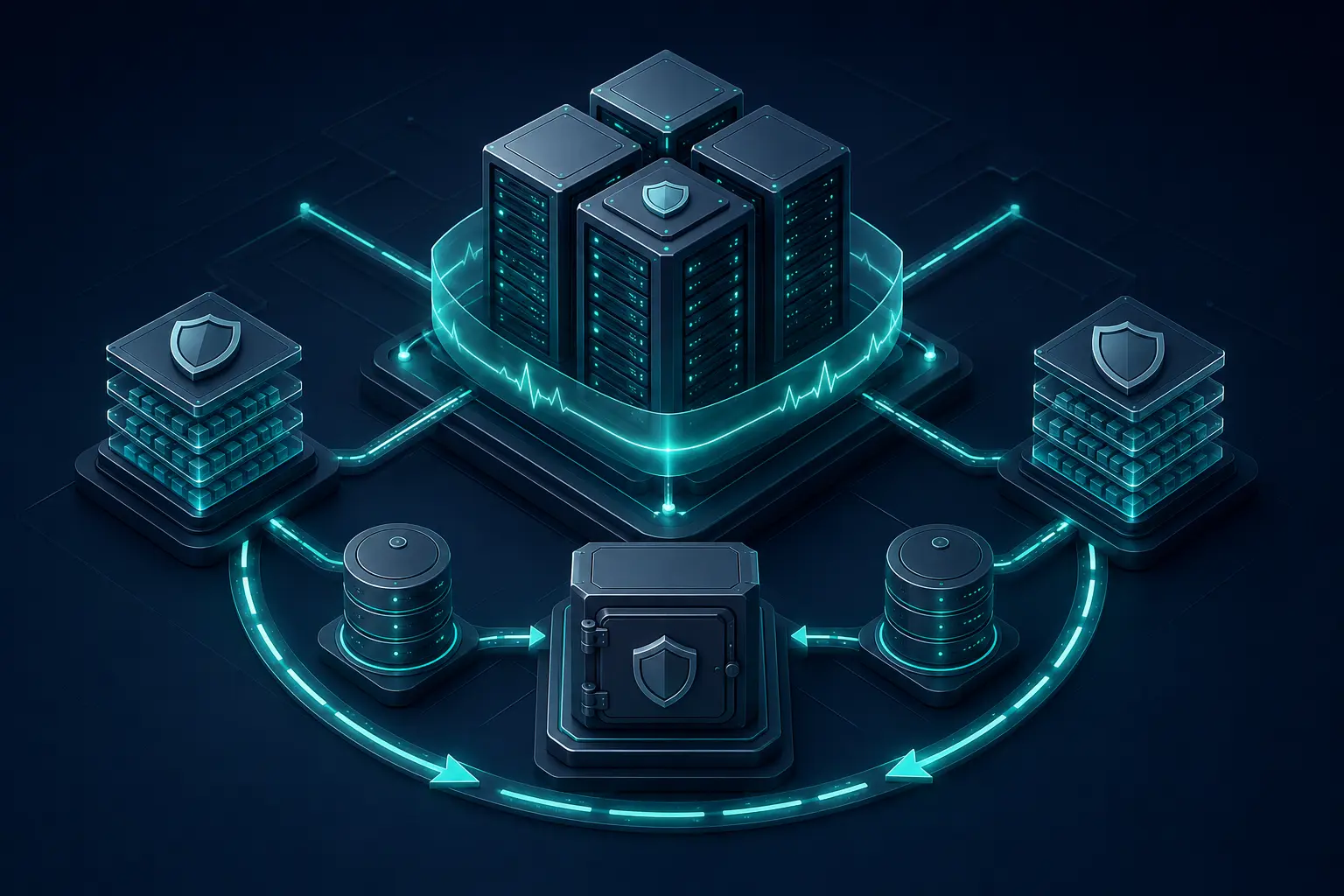
Health evidence, protected backups and non-sending restoration gates reduce risk during incidents and change.
Controlled workflow
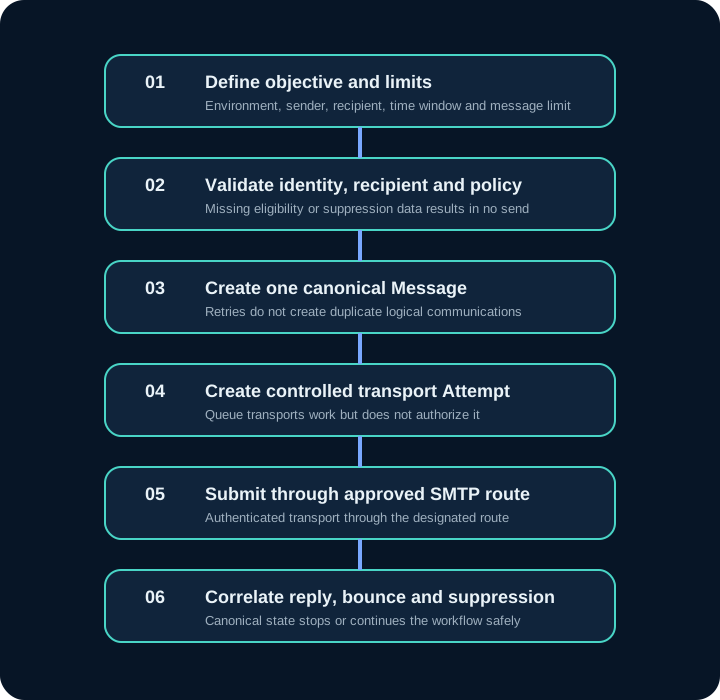
A queue can carry approved work, but it cannot independently authorize a message. Sensitive actions must be checked against canonical state and fail closed when required information is missing.
Environment, sender, recipient scope, timing and message limits are approved.
Sender, recipient, suppression, content and route are checked.
One logical communication becomes one Message with controlled Attempts.
Transport outcomes, replies, bounces and suppression events update the canonical record.
Security and responsible use
Public HTTPS and necessary mail transport are distinct from administrative APIs, databases, queues, metrics, workers and backup systems.
Review security and abuse controls →Current Lab status
Green means verified, amber means pending or limited, grey means not yet inspected, and red means blocked or not authorized.
Static HTML site served by Nginx over the public domain.
Stalwart service is active behind the dedicated mail hostname.
Provider reassessment is required after website and public platform maturity improvements.
Architecture and Lab validation do not authorize production or unsolicited bulk sending.
Last evidence update: . Status will be revised after controlled inspection and validation milestones.
Legitimate technical use cases
Validate authenticated submission from approved applications and controlled sender identities.
Evaluate domain identity, alignment and policy without claiming guaranteed delivery outcomes.
Use controlled fixtures to test event correlation, suppression and safe workflow stopping.
Confirm unauthorized submission and arbitrary relay attempts are denied.
Restore into an isolated, non-sending environment and validate integrity before release.
Document architecture, governance, evidence and operational lessons for long-term learning.
Operational evidence
Operational screenshots and status claims are published only when they are attributable, timestamped, sanitized and supported by direct evidence.
Explore public documentation →Quick answers
No. Unsolicited bulk messaging, unknown recipients, public relay access and unrestricted SMTP credentials are prohibited.
No. Architecture, implementation, evidence validation and production authorization are separate gates.
The infrastructure provider requires reassessment after the public website and platform presentation have been further developed.
No. It limits external deliverability claims but does not block read-only inspection, internal validation, backup, documentation or controlled non-production work.
Knowledge before scale
The Lab treats documentation, validation, responsible use and recovery as part of the infrastructure itself.